-
Solitary Bee
Photograph by John Kimbler, My Shot
With its emphasis on detail, pattern, and texture, macro photography can yield rewarding and unique results. In this gallery, learn what makes a great macro shot and get tips on how to turn your extreme close-ups into compelling photographs.
Here, a macro lens and diffused macro twin flash capture the intricate detail on a bee and flower.
(This photo was submitted to My Shot.)
Photo Tip: Macro photography is photography magnified. It is generally recognized as “macro” when you are increasing the size of an object in your picture from about half life-size, as represented on the image sensor, to five times life-size.
-
Ladybug
Photograph by Yoann Ducamp, My Shot
Ladybug on a daisy
(This photo and caption were submitted to My Shot.)
Photo Tip: As a general rule you should use an f-stop no wider/larger than f/16 to get all or most of the main subject in focus. If you are photographing a subject that can’t be arranged more or less on the same plane, you will have to decide which parts of it you want in focus.
-
Dandelion Seeds
Photograph by Michele Sutton, My Shot
These are dandelion seeds from the parachute ball. A different way to capture dandelions entertained me the entire afternoon. With a breeze blowing that caused abrupt and delightful interruptions, I managed to finally get a result I really liked. Subject, arrangement, and lighting provided entirely by Mother Nature.
(This photo and caption were submitted to My Shot.)
Photo Tip: Experiment with wider/larger lens apertures, which will throw more of the subject out of focus and may produce pleasing artistic effects.
-
Miniature Model Cars
Photograph by Peter Martin, My Shot
Miniature model cars on a rubber ball
(This photo was submitted to My Shot.)
Photo Tip: When shooting macro photography, using a narrow depth of field is unavoidable. This actually causes a pleasant result, since the background will appear totally out of focus, and you can usually use a natural setting to compose your picture. While you won't have to fuss too much with what's going on behind your subject, don't forget to check for any distracting or jarring background elements.
-
Ember Parrotfish, Maldives
Photograph by Paul Sutherland, National Geographic
The eye of an ember parrotfish
Photo Tip: Get creative with macro photography by shooting the subject from an unexpected angle. Try different lighting, as well, using front lighting for deeper color saturation and side lighting to highlight texture.
-
Honeybee
Photograph by John Kimbler, My Shot
A common European honeybee depositing honey. Shot at life-size with a Canon MPE-65mm macro lens.
(This photo and caption were submitted to My Shot.)
Photo Tip: Macro photography is really successful when the image has a main point of interest and that point or subject is composed well within the frame. Choose a simple background so it doesn’t compete with the main subject for a viewer’s attention.
-
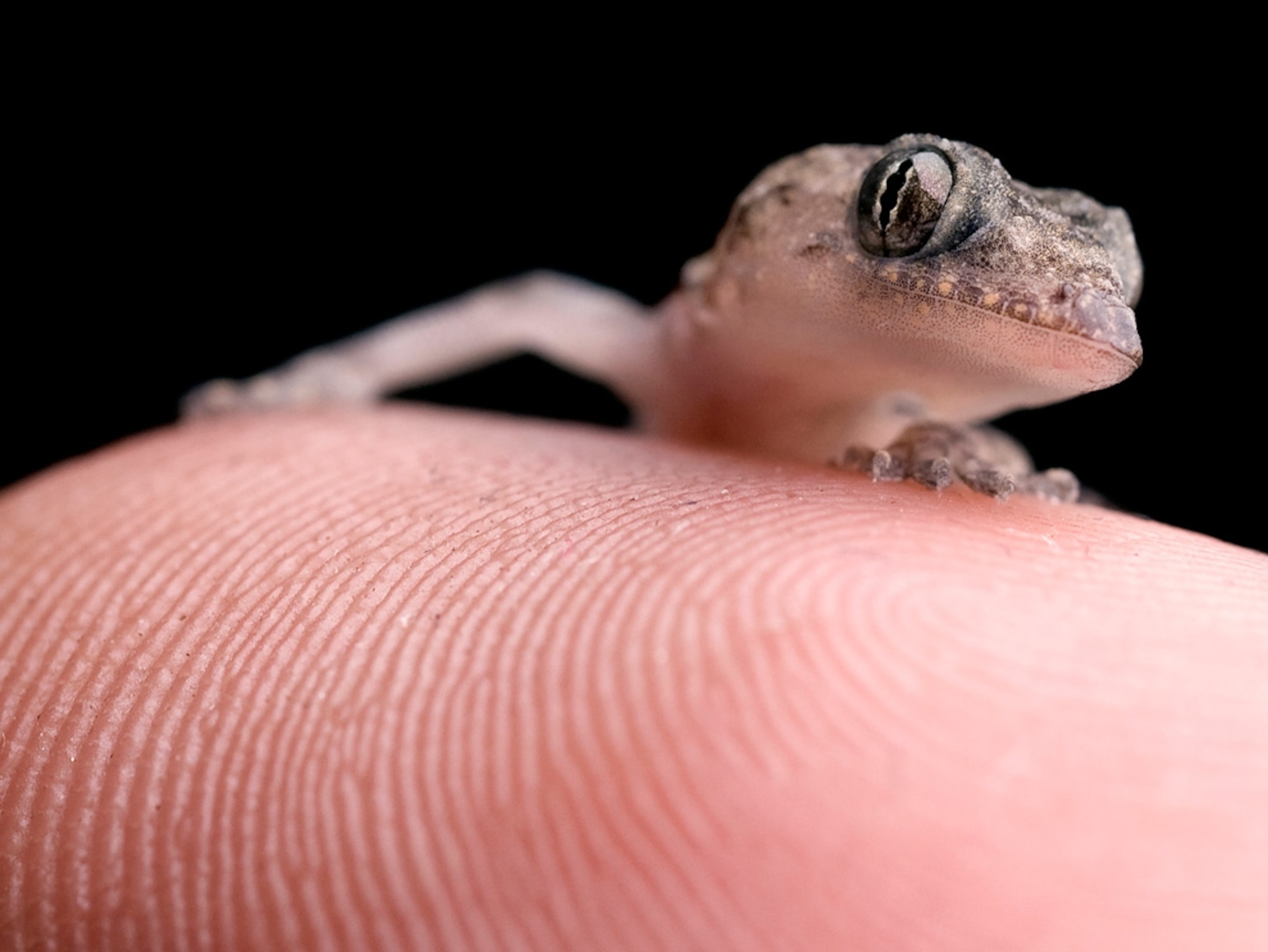
Small Reptile
Photograph by Ivan Nava, My Shot
A project about how fragile and how important are all the living species that surround us
(This photo and caption were submitted to My Shot.)
Photo Tip: A close-up attachment is a flat, filter-like lens that mounts to the front of your normal lens (it usually screws into the filter thread) and allows you to focus more closely. You will be able to focus at closer distances, although the maximum magnification will depend on the focal length of the lens you’re attaching it to.
-
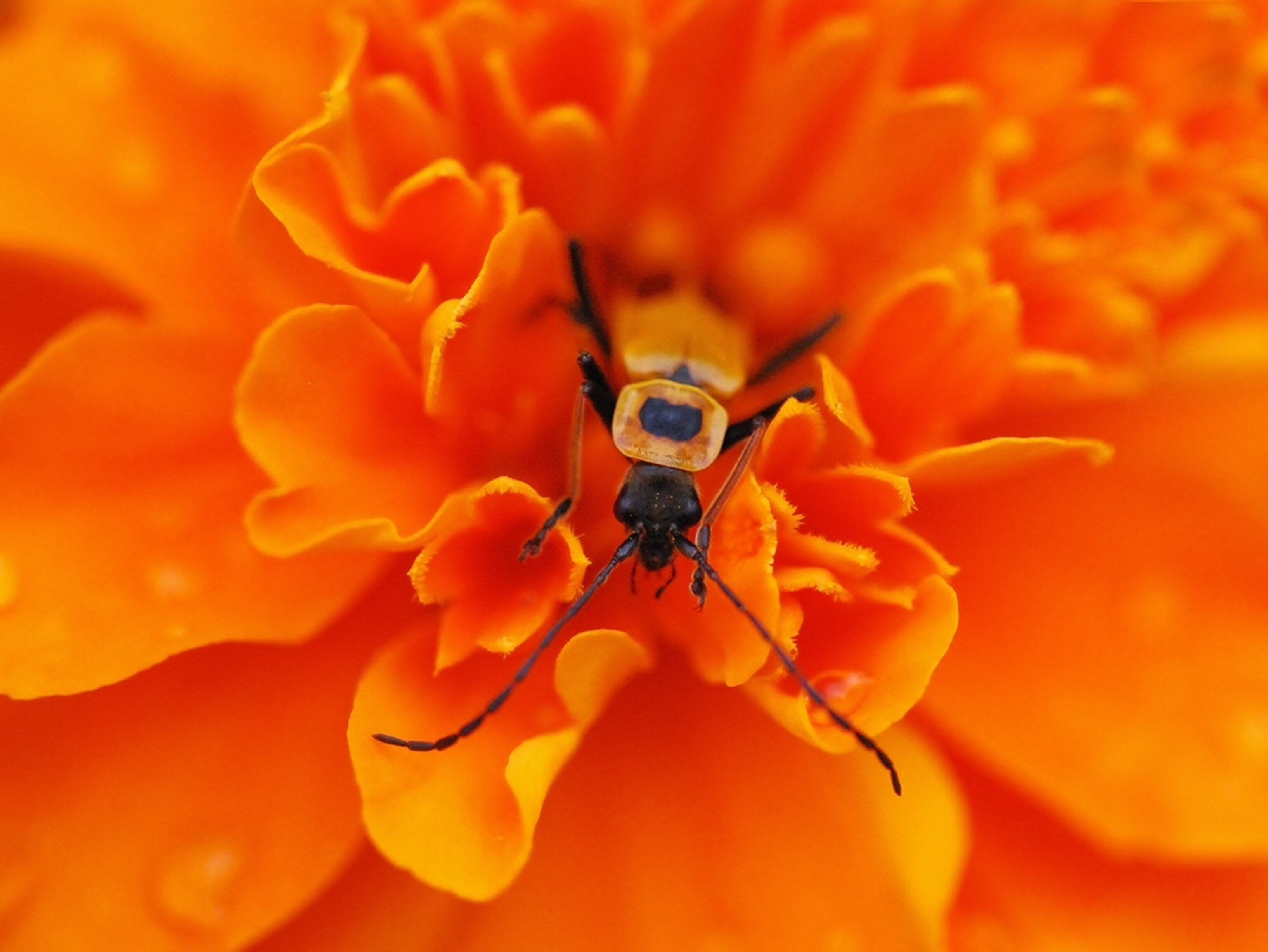
Leatherwing Beetle
Photograph by John Troiani, My Shot
Leatherwing beetles are always visiting my marigolds, and I took this one with a Nikon D80 and Sigma 150mm macro lens, handheld. They are always moving, but this guy stood still and posed nicely for me.
(This photo and caption were submitted to My Shot.)
Photo Tip: Shooting flowers, leaves, and insects outside can be a challenge. A perfectly composed shot can be quickly ruined by just a whisper of a breeze. Stop unwanted subject motion and blur. Before you set up your shot, try planting a stick in the ground and tether the flora to it for stability. Use the fastest shutter speed possible and use a ring flash or flash units mounted to your lens if shooting at a low aperture.
-
Winged Insect, Singapore
Photograph by Jervis Mun, My Shot
Winged insect, Admiralty Park, Singapore
(This photo was submitted to My Shot.)
Photo Tip: A good sturdy tripod is essential. You have two options. You can buy a tripod with legs that splay wide enough to allow a very low position, or you can buy a tripod that has a reversible head stern that allows the camera to hang facing down under the tripod.
-
Euphorbia Plant
Photograph by Terry Bridges, My Shot
Out this afternoon to see what was "waking up" ... not much yet, but the Euphorbia during late winter is a beautiful red brown. Here the very tips of the plant in macro yield a pleasant shot.
(This photo and caption were submitted to My Shot.)
Photo Tip: If shooting outdoors, macro photography is effective on bright days when you don’t have to use a very slow shutter speed. A bright, overcast day works especially well, as it will also light your subject evenly.
-
Black Spider
Photograph by Maneesh Kaul, My Shot
Black spider
(This photo was submitted to My Shot.)
Photo Tip: It is usually impractical to use your camera’s built-in pop-up flash when doing macro photography. The length of the lens, with or without all of its macro attachments, will cause a shadow from the camera’s flash.
One solution is to use an external flash. The best type of external flash will have a head that rotates and elevates.
-
Insect on Paper
Photograph by Ankit Mavchi, My Shot
Taken during an exam night, when I was reading notes and all of sudden saw this small insect sitting on one of my notes, and as usual my camera (Canon Powershot A470) was lying beside me. I waited a while for this insect to move into the perfect position so that I could click it. Finally he stood at this point, which was the best I could get, as it flew away after the shot was taken.
(This photo and caption were submitted to My Shot.)
Photo Tip: If you find an insect or small creature that allows you to get close to it, start shooting! When making macro photographs—especially of moving subjects—be prepared. Make sure all your camera settings are correct because you may only get one shot.
-
Pulsatilla Plant
Photograph by Peter Racz, Your Shot
Pulsatilla crop, with many dewdrops
(This photo and caption were submitted to Your Shot.)
Photo Tip: Autofocus doesn’t always work well when shooting extreme close-up photography. Switch to manual focus and you’ll get more consistently sharp macro pictures.
Featured Photo Tips
Advertisement
-
Explorer Moment: Ray of Hope
Biologist Andrea Marshall leads her team in discovering new and conserving known manta ray species.
-
Sylvia Earle on Women in Science
Sylvia Earle reflects on her scientific career and on gender obstacles she faced along the way.
Nat Geo Photo Workshops
Special Offers
-
National Geographic
Subscribe to National Geographic magazine and save. Print and digital editions available.