-
Colosseum, Rome
Photograph by Heather Perry, National Geographic
The Roman Colosseum, like many iconic sites, has surely been photographed thousands of times. Yet in this terrific view, Heather Perry has used a long exposure time to blur the monument into an image never seen before. —Annie Griffiths
Photo Tip: Every photograph is actually a time exposure. Images may be recorded in a fraction of a second or over hours of time. Yet many people never realize that they can use time as a creative tool in photography. Remember that the shutter speed can be adjusted to do either very long or instantaneous exposures.
Enjoy more photos and buy the book Simply Beautiful Photographs »
-
Black Turtle, Mexico
Photograph by Bill Curtsinger, National Geographic
In this simple photograph by William Curtsinger, the slow shutter speed of the camera has recorded the swimming motion of the hatchling, while the instantaneous camera flash has frozen one instant in the turtle’s progress. The resulting image gives the impression that we can see the hatchling swim. —Annie Griffiths
Photo Tip: When shooting with flash, many photographers don’t realize that they can be creative by changing the shutter speed on their cameras. A slower shutter speed will allow movement to record, and the flash will capture one sharp instant in the blur of motion.
Enjoy more photos and buy the book Simply Beautiful Photographs »
-
Wild Mustangs, Wyoming
Photograph by Yva Momatiuk and John Eastcott, Minden Pictures
Time exposures can allow us to record things that we can’t see with the naked eye. In this lovely photograph by husband-and-wife team Eva Momatiuk and John Eastcott, we see the wild mustangs in a new way as the blur of legs and tails and manes form a true herd. —Annie Griffiths
Photo Tip: The method of choosing a long shutter speed and following the action as it takes place is called "panning." Part of the fun of panning is that the photographer is never really certain how the resulting image will turn out. Photographing in this way can sometimes reveal things that our eyes cannot see.
Enjoy more photos and buy the book Simply Beautiful Photographs »
-
Train Tracks, New Mexico-Colorado Border
Photograph by Bruce Dale, National Geographic
This clever image by photographer Bruce Dale makes us feel that we are beside him on the moving train. The blur of the foreground is dizzying, but the scene in the distance is perfectly sharp. —Annie Griffiths
Photo Tip: When shooting from a moving object, try a slower shutter speed with a wide-angle lens. The foreground will blur far more quickly than the background, and the resulting image is bound to give the viewer vertigo!
Enjoy more photos and buy the book Simply Beautiful Photographs »
-
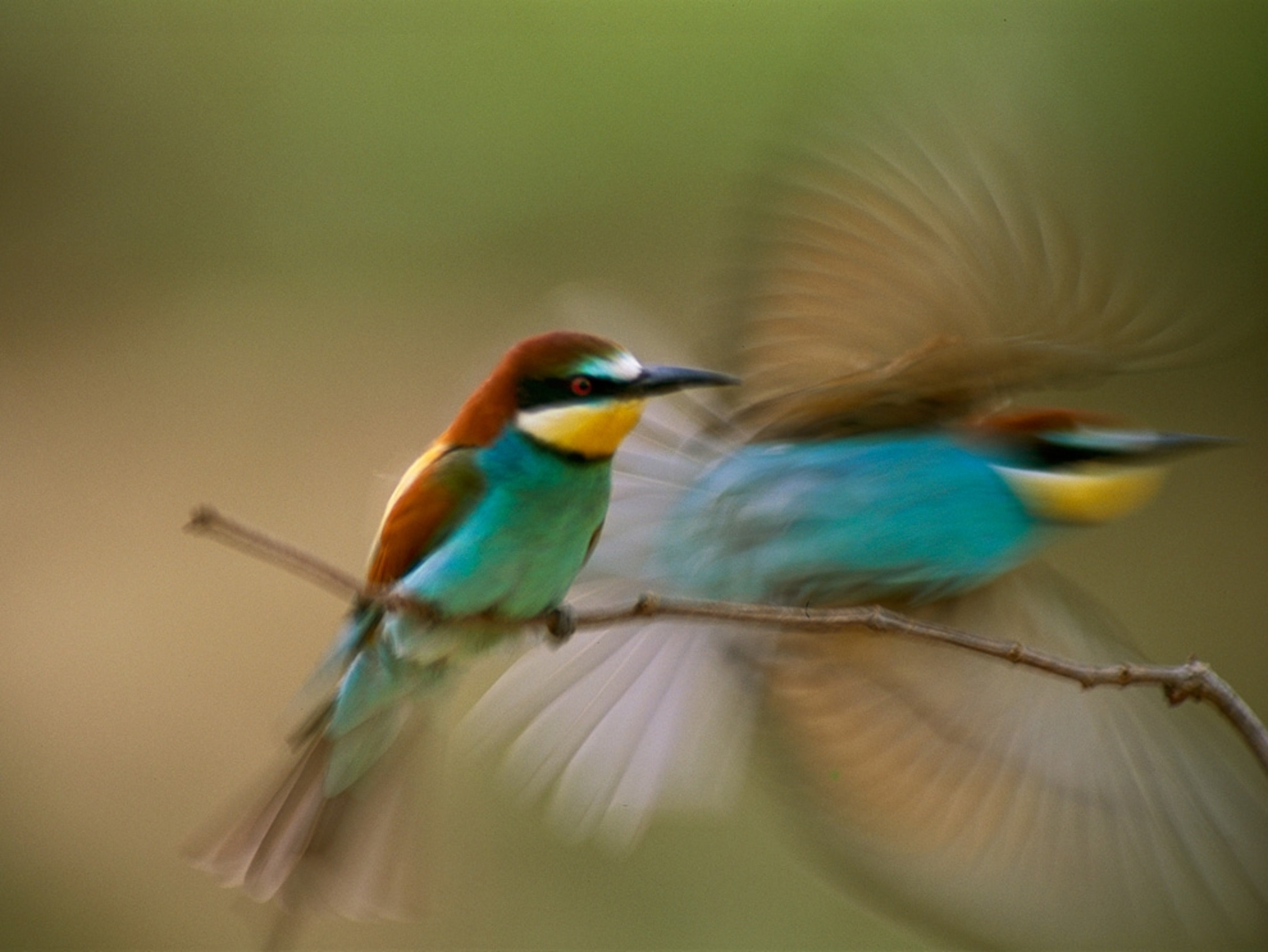
Bee-Eaters, Hungary
Photograph by Joe Petersburger, National Geographic
Although photographers are regularly frustrated in low light situations, the slower shutter speeds required can sometimes lead to a surprise image that is made special by the blurred action in the frame. Joe Petersburger’s photograph of a pair of bee-eaters is one of those happy accidents. —Annie Griffiths
Photo Tip: Even with wildlife, low light and longer shutter speeds can lead to surprising, new images. Instead of cursing the low light, use it to make creative photographs. Something wonderful may happen!
Enjoy more photos and buy the book Simply Beautiful Photographs »
-
Impala, Botswana
Photograph by Chris Johns, National Geographic
Fast exposures can freeze actions that happen in the blink of an eye. This photograph by Chris Johns captures an impala in mid-flight. By using a fast shutter speed and a very narrow depth of field, Johns has isolated the animal’s movement against a background that is out of focus and therefore doesn’t distract the eye. —Annie Griffiths
Photo Tip: By understanding how the shutter speed and the aperture settings of a camera work together in any exposure, the photographer can make deliberate choices about what he or she would like to capture. Automatic settings are great for many things, but a basic knowledge of how the camera works will lead to far more creative photography.
Enjoy more photos and buy the book Simply Beautiful Photographs »
-
Mogami River, Japan
Photograph by Michael Yamashita, National Geographic
Rushing water is a wonderful canvas for time-exposures. In this photograph, we see moving water swirling around a single maple leaf. By using a shutter speed slow enough to allow the river to blur, photographer Michael Yamashita has framed the sharp lines of the leaf in an abstract of water. —Annie Griffiths
Photo Tip: It doesn’t take a long exposure time to blur rushing water. Sometimes the camera can be handheld while achieving this effect. But take a tripod along so that you can try exposures of various length and see which results you like best.
Enjoy more photos and buy the book Simply Beautiful Photographs »
-
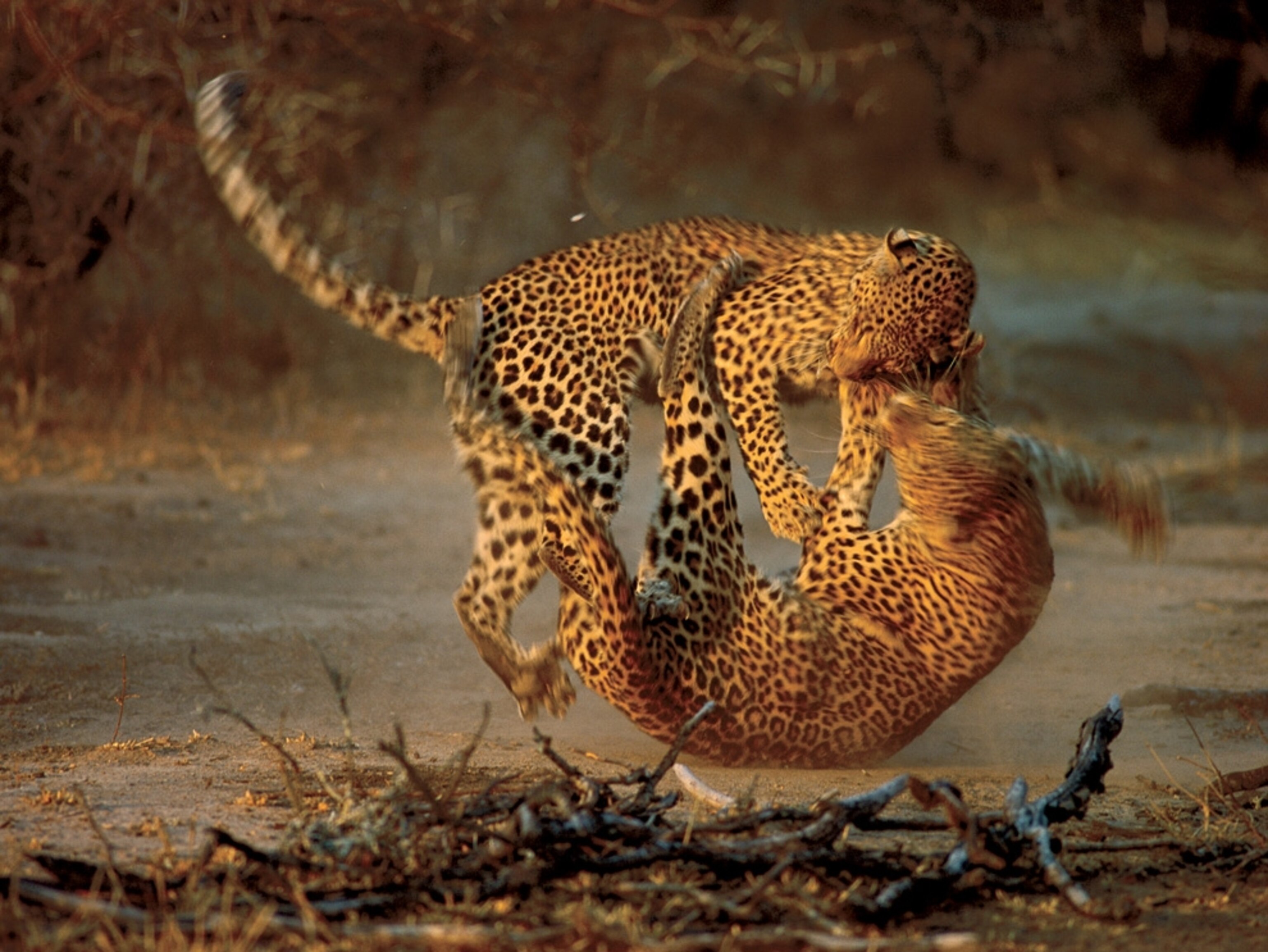
Leopards Fighting, South Africa
Photograph by Richard du Toit, Minden Pictures
It’s the feeling of motion that makes this photograph of leopards wrestling so successful. Some parts of the cats’ bodies, like the claws and ears, are perfectly sharp. But it is the blurred limbs that grab us and indicate which powerful muscles are working to propel the animal. Photographer Richard du Toit has chosen the perfect shutter speed to showcase the action. —Annie Griffiths
Photo Tip: Although we are tempted to use a very fast shutter speed when photographing wildlife behavior, slowing things down may lead to a more compelling image. The goal is not always a perfectly sharp image.
Enjoy more photos and buy the book Simply Beautiful Photographs »
-
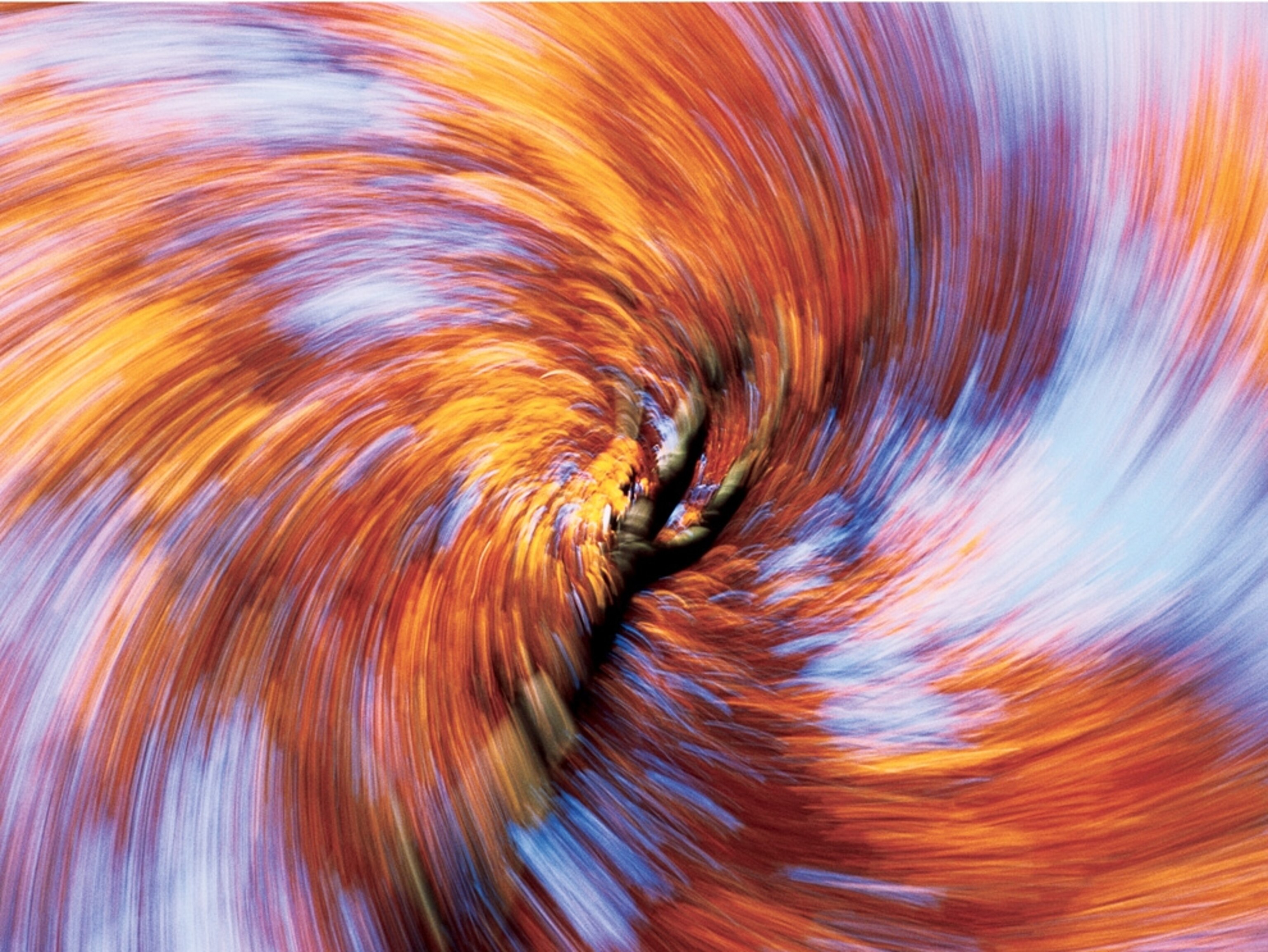
Beech Tree
Photograph by Konrad Wothe, Minden Pictures
In the midst of an abstract whirl of color, the sharpness of the tree trunk prevents this seasonal image from spinning out of control. Imagine how many pictures have been taken of fall color, and yet photographer Konrad Wothe has given us a new view. —Annie Griffiths
Photo Tip: Remember, the photographer can move too! You can twirl or run or pan with your camera to create new views. And by varying your shutter speed as you move, a whole series of surprise images can be created.
Enjoy more photos and buy the book Simply Beautiful Photographs »
-
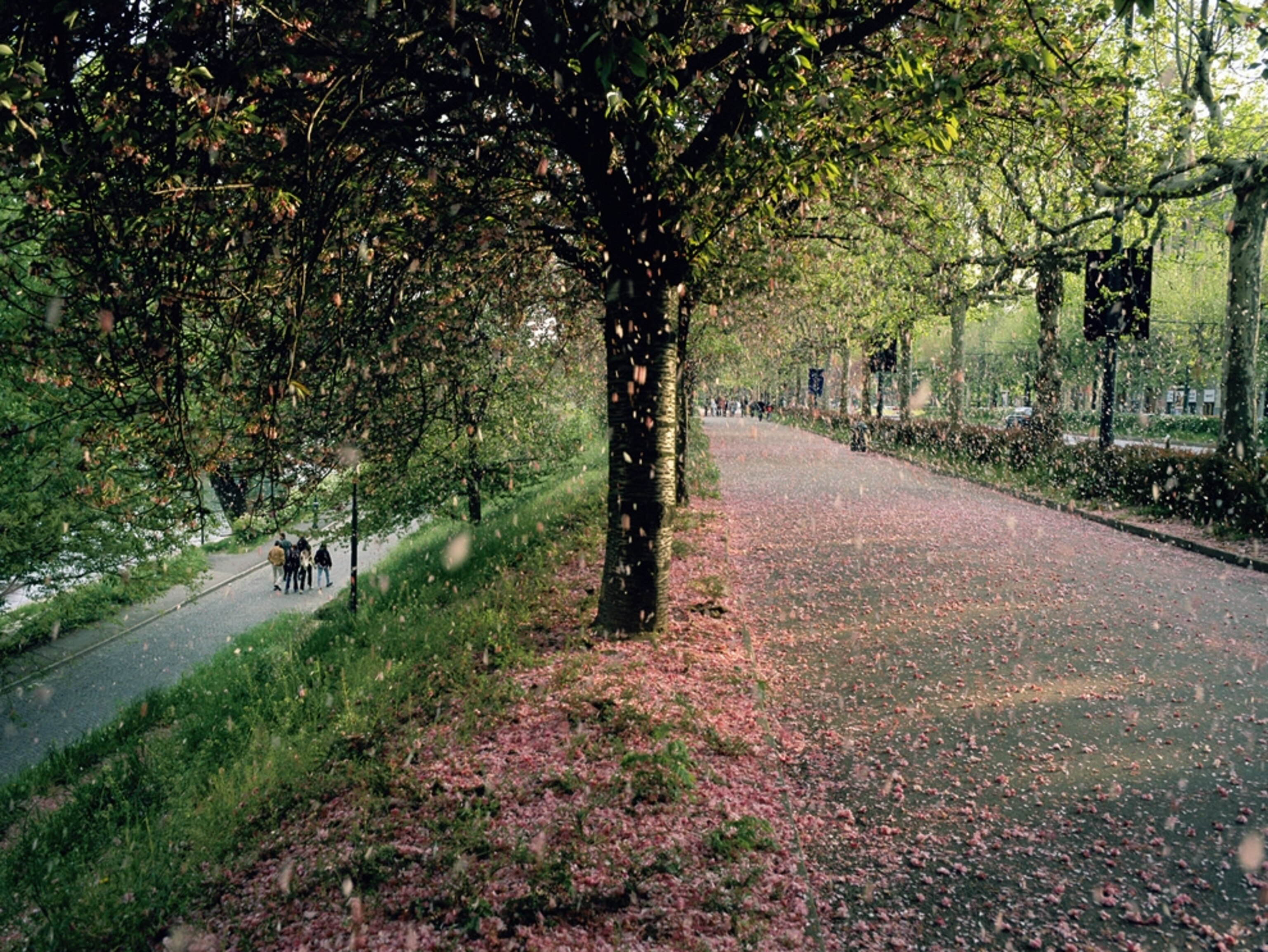
Apricot Blossoms, Italy
Photograph by William Albert Allard, National Geographic
William Albert Allard’s stunning scene of spring blossoms takes advantage of a very simple element—the wind. When a fortunate breeze created a snowfall of blossoms, Allard was in a perfect position to capture the scene’s beauty. —Annie Griffiths
Photo Tip: An inspired photographer always makes the most of what is given. There are beautiful images to be made in heat and cold, stillness and storm. The key is to be flexible and think creatively no matter what reality presents.
Enjoy more photos and buy the book Simply Beautiful Photographs »
Related Features
Advertisement
-
Steady Hands and Fins
Photographer David Doubilet photographs stingrays, sharks, and more.
-
Survival Guide: Dodging Locusts
Swarm behaviorist Iain Couzin has a toxic reaction to a locust at the same time his team runs out of food.
Nat Geo Photo Workshops
Special Offers
-
National Geographic
Subscribe to National Geographic magazine and save. Print and digital editions available.